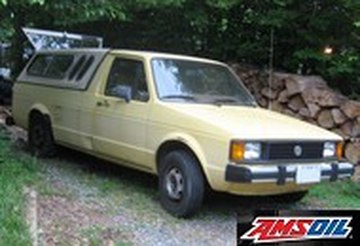
Lubrication Maintenance for the 1982 Volkswagen PICKUP 1.6L Diesel
Maintaining a diesel engine requires a disciplined approach to fluid management and regular inspections. For the 1982 Volkswagen PICKUP equipped with the 1.6L [G] CR Diesel engine, consistent attention to lubrication systems is a primary factor in long-term operational health. Because diesel combustion environments differ from gasoline counterparts, understanding how to monitor and maintain your engine's oiling requirements is essential for any owner.
Monitoring Engine Fluid Integrity
A proactive approach to maintenance involves more than just changing fluids at set intervals; it requires active observation of the vehicle's current condition. For an older diesel application, regular visual checks can provide early indicators of how the engine is performing. Owners should look for any signs of fluid seepage around the engine block or sealing surfaces. While some minor weeping may occur as gaskets and seals age, significant wetness or active drips warrant closer investigation.
When performing routine checks, it is useful to observe the following:
- Surface Seepage: Inspecting the area around the engine for any evidence of oil residue that might indicate a seal is beginning to lose its effectiveness.
- Fluid Color and Consistency: Checking the appearance of the oil on the dipstick. While diesel oil naturally darkens quickly due to the nature of diesel combustion, an extremely gritty texture or a milky appearance can indicate contamination that needs to be addressed.
- External Cleanliness: Keeping the engine area relatively clean allows for much easier detection of new leaks or changes in fluid behavior.
If you notice unusual patterns, such as oil appearing in unexpected locations or a sudden change in how the vehicle consumes lubricant, these symptoms should be investigated to prevent more significant mechanical issues.
Managing Long-Term Engine Health
As vehicles age, maintenance priorities often shift from strictly following a schedule to managing the actual condition of the components. For the 1982 Volkswagen PICKUP, establishing a baseline is an excellent way to manage this transition. If you have recently acquired the vehicle or do not have access to a complete service history, your first priority should be to document the current state of all vital fluids and mechanical connections.
Reviewing any available maintenance records can help identify if there are recurring patterns or if certain service tasks have been deferred. If records are unavailable, treat the current condition of the engine as your starting point. This means addressing any active leaks or visible signs of wear before moving on to purely preventive measures. By focusing on what the engine actually needs based on its present state, you can make more informed decisions about where to allocate your maintenance budget and time.
Furthermore, monitoring how the engine responds to different operating conditions can help you refine your maintenance strategy. For example, observing if the oil level changes more rapidly during specific types of driving or in certain weather can provide valuable data for your long-term ownership plan.
Observing Potential Lubrication Warning Signs
It is important to recognize that many symptoms related to lubrication are not direct diagnoses but rather indicators that something requires professional attention. For instance, a change in the sound of the engine or an unusual odor during operation can be associated with various factors involving the lubrication system or heat management.
If you encounter any of the following, it is advisable to schedule an inspection:
- Changes in Lubricant Consumption: If you find yourself needing to add oil more frequently than in previous months, this change warrants investigation.
- Unusual Mechanical Noises: Any new or persistent sounds coming from the engine area should be evaluated by a technician.
- Warning Indicators: If any dashboard indicators related to engine operation illuminate, immediate attention is required to prevent potential damage.
Always remember that symptoms can have multiple causes. A single observation, such as an oil spot on the driveway, does not automatically point to one specific failed component; it simply serves as a signal to look closer at the sealing surfaces and drainage areas.
Practical Inspection of Engine Components
Beyond the oil itself, several peripheral components should be inspected during routine service intervals. For the 1.6L diesel engine in this Volkswagen PICKUP, ensuring that the systems supporting the engine are in good condition is vital for overall reliability.
If equipped, inspect all accessible drive belts for signs of deterioration such as cracking, glazing, or fraying. Similarly, if the vehicle is present with various rubber hoses, check them for excessive softness, hardening, or visible cracks. These components often age at a different rate than the metal engine parts and can impact how the engine manages heat and power delivery.
Electrical connections and wiring harnesses should also be checked for signs of corrosion or fraying, as secure electrical integrity is necessary for the proper operation of various engine sensors and management systems. Maintaining these secondary components ensures that your primary focus on lubrication and engine health is not undermined by a failure in a supporting system.
Selecting Lubricants Based on Application Data
When it comes to choosing an engine oil, the most important step is to match the product to the specific requirements of your 1.6L diesel engine. Because different engines have unique tolerances and operating characteristics, using a lubricant that does not align with the application can lead to suboptimal performance.
Some owners may consider various formulations, such as conventional oils, synthetic blends, or full synthetic options. Some high-mileage oil formulations also contain additives intended for use in aging engines, including seal-conditioning additives. However, the choice between these should be guided by the specific information provided for your vehicle rather than general assumptions about age or mileage.
Always verify that any lubricant you select meets the appropriate quality standards and certifications required for a diesel application. Checking the product label carefully before purchase ensures that you are not inadvertently using an oil designed for a different engine type or operating environment.
Buying Engine Oil for your 1982 Volkswagen PICKUP 1.6L
To ensure the continued health of your 1.6L diesel engine, always match the engine oil to the application-specific viscosity information shown on this page. Do not rely on memory or general automotive knowledge to determine the correct grade; instead, use the specific data provided in the technical specifications above. When you are ready to purchase, look for products that align with these requirements and check the packaging to confirm they meet the necessary API service categories for your diesel engine. By strictly adhering to the application-specific viscosity and quality information displayed here, you provide the best possible foundation for your vehicle's lubrication needs.